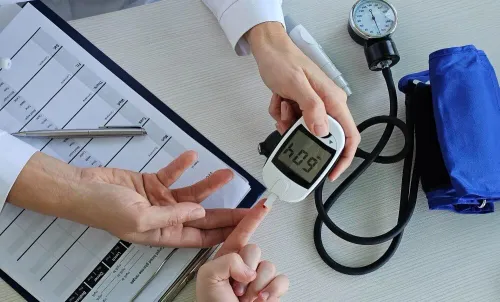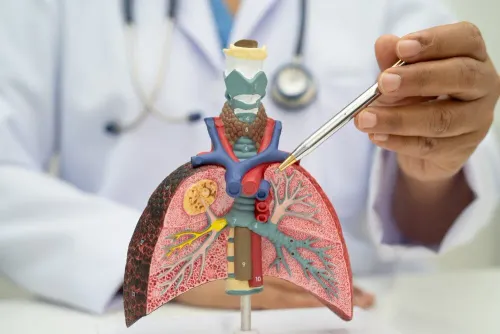

A useful consultation begins before the examination: record the temperature correctly, note the symptom pattern, and bring the details that help a physician judge risk. By the end, you will know what the doctor is trying to establish, when testing is targeted, and which symptoms need urgent care or follow-up.
Key takeaways
- Record temperature, timing, symptoms and measurement method before your appointment.
- Seek urgent care for fever with breathing difficulty, confusion, stiff neck or severe dehydration.
- Describe fatigue as sleepiness, weakness or breathlessness; each points to different evaluation paths.
- Normal initial tests do not end evaluation when fever or fatigue continues or returns.
What to record before a fever or fatigue consultation
Bring a written fever history, not just the highest number you remember. Note the start date, temperature, temperature measurement method and time, chills, rash, pain, fatigue pattern and whether fatigue means sleepiness, muscle weakness or breathlessness.
List every medicine, dose and time taken, plus recent travel, sick contacts, mosquito or animal exposure, food or water exposure, vaccination status, recent procedures, weight change, sleep, diet and prior test reports.
Record these details before the appointment:
- Each fever episode, fever-free interval and whether you fully recovered
- New medicines, supplements, substance use and missed doses
- Snoring, witnessed breathing pauses, reduced exercise tolerance, appetite, thirst, urination or bleeding
- Relevant work, sexual or household exposures
A 38.0°C fever is the usual adult threshold, but readings from different sites are not interchangeable. Rectal, oral, axillary and temporal measurements can differ, so keep the method with the number. The physician also checks regulated fever against hyperthermia caused by heat exposure or excessive exertion; hyperthermia requires a different response.
The fever examination checklist may include hydration, blood pressure, pulse, oxygen saturation, respiratory rate, throat, chest, abdomen, skin and neurological findings.
| Measurement site | What it indicates | Recording advice |
|---|---|---|
| Rectal | Closest estimate of core temperature | Record as rectal |
| Oral | Mouth temperature | Record timing and recent drinks |
| Axillary | Armpit temperature | Do not compare directly with oral or rectal readings |
| Temporal | Forehead surface estimate | Record device and time |
How a physician decides whether fever is urgent
A routine appointment is unsafe when fever comes with signs that a vital organ may be failing. Seek emergency assessment for:
- Breathing difficulty or oxygen saturation below 94% at sea level
- Chest pain, confusion, fainting or a seizure
- A stiff neck or severe headache
- Persistent vomiting or marked dehydration
- Severe abdominal pain or bleeding
- A rapidly spreading rash, or a purple rash that does not blanch when pressed
Oxygen saturation and work of breathing can matter more than fever height: a modest temperature with laboured breathing is more dangerous than a high temperature in someone breathing comfortably. Treat a pulse-oximeter number as one clue, not a clearance certificate.
Poor circulation, cold fingers, motion, nail products, incorrect placement and device limitations can distort the reading, so compare it with symptoms and examination findings.
Use a lower threshold for urgent care in infants, older adults, pregnancy, immune suppression, diabetes, kidney disease, liver disease or another major chronic condition. Heat stroke versus fever also matters: heat stroke follows dangerous heat exposure or exertion and reflects failed heat loss, not an infection-related set-point change. It is an emergency.
Acetaminophen or ibuprofen can lower temperature and improve comfort, but a response does not prove the illness is harmless; it does not remove the cause.
How the history and examination determine which tests are useful
Duration and pattern, not fever height alone, guide the first decision. A stable adult with two days of improving fever, normal hydration and an unremarkable examination may need observation and review rather than an automatic full fever panel. Persistent, recurrent or worsening fever changes the plan.
The physician matches symptoms and exposures to findings before ordering targeted fever testing.
| Finding or clue | Useful next step | Why it matters |
|---|---|---|
| Urinary burning, frequency, flank pain or unexplained fever | Urinalysis, with culture when indicated | Supports urinary infection testing |
| Cough, low oxygen saturation, rapid breathing or focal chest findings | Chest imaging and focused respiratory testing | Assesses pneumonia and COVID-19 fever assessment |
| Mosquito exposure, travel or seasonal local risk | Focused malaria, dengue and typhoid evaluation | Selects tests relevant to exposure and timing |
| Sick contact, recent procedure, animal exposure, unsafe food or water, or immune suppression | Focused viral or bacterial testing | Raises the pretest probability of a specific infection |
The physician also checks the throat, chest, abdomen, skin, hydration, pulse and respiratory rate. Breathing difficulty or abnormal work of breathing can require immediate treatment even without a high temperature. A fever that falls after acetaminophen or ibuprofen does not identify a harmless cause.
Broad untargeted testing creates false positives and incidental findings. Those results can trigger repeat blood tests, unnecessary imaging or inappropriate antibiotics, so a test earns its place when its result will change management. A normal first examination lowers risk; it does not cancel follow-up if symptoms persist or evolve.
How recurring fever and fatigue are investigated as separate patterns
A recurrent fever timeline is more useful than a single diagnosis. Record each episode and note:
- The highest measured temperature and its duration
- Fever-free intervals
- Whether you recovered completely between episodes
- Repeated sick, food, water, insect or animal exposures
- New medicines, stopped medicines or dose changes
- Rash, joint inflammation, mouth ulcers, abdominal pain or swollen lymph nodes
This pattern helps distinguish repeated short infections from persistent infection, inflammatory or autoimmune disease, medication reactions, malignancy and periodic-fever syndromes. Fever lasting more than three weeks, reaching at least 38.3°C on several occasions, with no diagnosis after appropriate evaluation is a different problem from a few days of a recognizable viral syndrome.
Fatigue evaluation starts by separating fatigue from sleepiness, muscle weakness and breathlessness. Ask about:
- Sleep quality, snoring or witnessed apneas
- Mood, workload and exercise tolerance
- Palpitations, bleeding, appetite, thirst and urination
- Weight change, diet, alcohol or other substance use
- Prescription medicines, non-prescription medicines and supplements
The physician then compares causes of persistent fatigue, including anemia, thyroid disease, diabetes, medication effects, sleep disorders, depression, nutritional deficiency, kidney disease, liver disease, cardiopulmonary disease and persistent infection. The examination and focused tests prioritize these possibilities instead of assuming fatigue is psychological or automatically treating it as hidden infection.
When normal first tests still require follow-up
A normal examination and basic work-up lower the probability of some dangerous causes; they do not make recurring symptoms imaginary. Arrange a fever follow-up when fever persists, returns after recovery, or fails to improve as expected, because new findings and symptom evolution can change the differential diagnosis.
Arrange a persistent fatigue review if exhaustion worsens, limits ordinary activity, reduces exercise tolerance, or comes with weight loss or a new symptom. Seek earlier review if you are pregnant, immunosuppressed, older, or living with diabetes, kidney disease, lung disease, heart disease, or another major condition.
Prepare for review in this order:
- Bring a temperature log showing each reading, time, measurement method, fever-free intervals and medicines taken before the reading.
- Write episode dates and associated symptoms, including cough, breathlessness, rash, pain, diarrhoea, urinary symptoms or swollen joints.
- List every medicine, supplement and dose, including recent antibiotics, steroids and over-the-counter products.
- Bring previous reports and record weight change, appetite, sleep and activity tolerance.
- Include home oxygen readings with the time, device, symptoms, activity level and whether your hands were cold or moving; a normal number does not override breathing difficulty.
Do not wait for routine review for confusion, fainting, chest pain, severe breathlessness, oxygen saturation below 94% at sea level or severe dehydration. Swasthya Clinic Holistic Healing can coordinate a general physician referral when fever overlaps with respiratory symptoms, orthopedic limitations or another recurring complaint, avoiding automatic repetition of broad tests.
Related services
Fever & Infection Treatment in Ravet, Pune Fever & Infection Treatment in Ravet, Pune Looking for reliable fever and infection treatment in Ravet, Pune? Our general physician clinic provides medical consultation, evaluation, and... View service → |
Chest & Respiratory Care Our doctor provides comprehensive diagnosis and treatment for a wide range of chest and respiratory conditions. View service → |
Frequently asked questions
What should I record before a fever or fatigue consultation?
Write down the start date, temperature, measurement method, measurement time, chills, rash, pain and the pattern of fatigue. Specify whether fatigue feels like sleepiness, muscle weakness or breathlessness.
How does a physician decide whether a fever is urgent?
The physician considers the temperature pattern alongside warning signs such as breathing difficulty, confusion, a stiff neck, severe dehydration, a rapidly spreading rash or severe pain.
How do history and examination determine which fever tests are useful?
The history and physical examination narrow the possible causes and identify which tests could change treatment. A physician may assess recent infections, medicines, travel, exposures, pain, breathing symptoms and examination findings before ordering tests.
Why are recurring fever and fatigue investigated as separate patterns?
Recurring fever requires attention to timing, duration and symptom-free intervals. Fatigue requires clarification of sleepiness, weakness or breathlessness, because each pattern leads to different questions and tests.
What should I do when initial fever or fatigue tests are normal?
Arrange follow-up when symptoms continue, return or worsen. Bring updated temperature and symptom records so the physician can reassess the pattern and decide whether further examination or testing is needed.
Related services
General Physician & Medical Consultation in Ravet, Pune General Physician & Medical Consultation in Ravet, Pune Looking for a trusted general physician in Ravet, Pune? Our clinic provides general medical consultation for individuals seeking evaluation,... View service → |
Lifestyle & Preventive Health Check-ups Lifestyle & Preventive Health Check-ups Preventive healthcare plays an important role in maintaining long-term health and identifying potential health concerns at an early stage. View service → |
Thyroid & Hormonal Disorders Thyroid & Hormonal Disorder Treatment in Ravet, Pune Thyroid and hormonal imbalances can affect energy levels, metabolism, sleep, and overall... View service → |
Anemia & Nutritional Deficiency Treatment in Ravet, Pune Anemia & Nutritional Deficiency Treatment in Ravet, Pune Nutritional deficiencies and anemia can affect energy levels, concentration, and overall health. View service → |