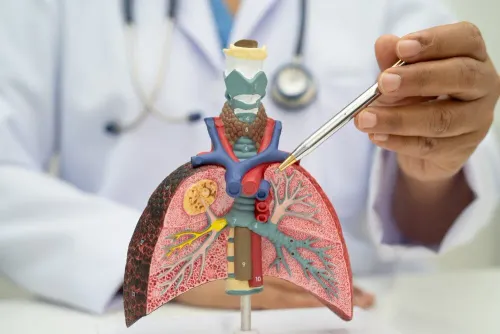

Two chest illnesses in 12 months deserve closer review when they were confirmed pneumonias, needed repeated antibiotics, or never fully cleared. By separating infection from asthma, COPD, bronchiectasis, reflux and other causes, you can identify when a routine appointment is appropriate, when testing is needed and when symptoms require emergency care.
Key takeaways
- Two suspected chest infections in 12 months warrant medical review.
- Recurrent pneumonia requires new imaging changes that clear between episodes.
- Seek emergency care for severe breathlessness, blue lips, confusion, or chest pain.
- A lung specialist may use chest imaging, spirometry, and targeted tests.
What Counts as Frequent or Recurrent Chest Infections?
A practical frequent chest infections definition is two or more suspected episodes within 12 months, or three episodes overall. A recurrent pneumonia diagnosis requires more than repeated coughs: clinicians look for compatible symptoms and a new infiltrate on chest imaging, with the previous infiltrate clearing between episodes.
Two pneumonias in one year justify specialist clarification, especially if treatment required hospital care.
- New infection: you recovered, symptoms returned after a symptom-free interval, and examination or imaging shows a new episode.
- Relapse or non-clearing infection: fever, breathlessness or cough never settled, or the same chest opacity remains on repeat imaging. This needs reassessment, not automatic repeat antibiotics.
- Symptoms not caused by infection: cough, coloured sputum or noisy breathing occurs without a new infiltrate. Airway disease, reflux, post-nasal drainage or another cause can mimic infection.
The pattern matters as much as the count. Repeated antibiotic courses without documented pneumonia do not prove recurrent chest infections, and acute bronchitis is usually viral. Ask for review when symptoms persist after treatment, exercise becomes harder, or infections keep returning in the same lung area.
When Should You Ask for a Lung-Specialist Referral?
Ask for pulmonology review when symptoms or imaging fail to improve as expected, infections recur despite appropriate treatment, or breathlessness limits ordinary activity between episodes. The decision on when to see a pulmonologist becomes clearer with these patterns:
| Pattern | Why it justifies review |
|---|---|
| Repeated antibiotics | Ongoing symptoms after repeated antibiotics may reflect asthma, bronchiectasis, airway obstruction or a noninfectious cause. |
| Two or more pneumonias | Repeated pneumonia, especially in the same lobe, can indicate narrowing, blockage or another localised problem. |
| Hospital treatment | A severe infection requiring hospital care deserves assessment of recurrence risk and underlying lung function. |
| Persistent symptoms | A persistent cough after pneumonia, daily phlegm, wheezing or breathlessness needs more than another prescription. |
| Abnormal imaging or reduced exercise tolerance | An abnormal chest X-ray, persistent CT finding or a clear drop in walking or stair-climbing ability warrants specialist interpretation. |
Do not assume every coloured sputum episode is pneumonia; imaging is needed to confirm it. Arrange review promptly for coughing blood, unexplained weight loss or recurrent symptoms in one lung area. A pulmonologist may recommend CT, breathing tests or airway examination to find the cause.
Which Symptoms Need Emergency Care Instead?
Emergency assessment is needed when breathing, oxygen levels, alertness or hydration is failing—not simply because infections keep returning. Treat these as chest infection emergency symptoms:
| Situation | What it means | What to do |
|---|---|---|
| Routine specialist referral | Breathing is stable, oxygen is above 92%, you are alert and drinking, but symptoms persist or recur | Arrange a lung-specialist appointment |
| Urgent same-day assessment | A small streak of blood in sputum, worsening breathlessness, fever with weakness, or repeated vomiting | Contact urgent medical care today |
| Emergency care now | Severe breathlessness, blue or gray lips, new confusion, inability to stay awake, oxygen saturation 92% or lower, or coughing blood beyond a small streak | Call emergency services; do not drive yourself |
Severe breathlessness includes struggling to speak in full sentences, severe chest tightness, or using your neck and chest muscles to breathe. Blue lips or confusion can signal dangerously low oxygen or sepsis.
If you cannot keep fluids down, seek urgent assessment because dehydration can develop quickly. Go to emergency care if you faint, become confused, produce very little urine, or cannot stay awake.
Older adults, pregnant people, and those with major heart, lung or immune conditions need a lower threshold for urgent evaluation.
What Could Be Causing Repeated Chest Symptoms?
Repeated chest symptoms do not always mean a new bacterial infection. Asthma, COPD, reflux, post-nasal drip and bronchiectasis can cause cough, phlegm and breathlessness between genuine infections.
Consider these underlying causes:
- Asthma and recurrent chest infections may reflect airway inflammation or poorly controlled asthma rather than repeated pneumonia. COPD can produce frequent flare-ups, especially with smoking or long-term exposure to dust and fumes.
- Bronchiectasis symptoms include daily sputum, large amounts of phlegm, repeated antibiotic courses, breathlessness and sometimes coughing blood. A thin-section CT scan is needed to confirm permanently widened airways.
- Aspiration pneumonia causes include swallowing difficulty, stroke, sedation, vomiting and reflux that allows food, liquid or stomach contents into the lungs. Post-nasal drip can also keep irritating the airways without causing pneumonia.
- Immune problems can reduce your ability to fight infections, while an airway obstruction from a foreign body, tumour or narrowing can prevent drainage. Recurrent pneumonia same lobe or lung segment needs particular attention because a local blockage or structural abnormality may be present.
A pulmonologist may use CT imaging and, when indicated, bronchoscopy to inspect a narrowed or blocked airway. Colored sputum or abnormal chest sounds alone do not prove pneumonia; a new infiltrate on chest imaging supports that diagnosis.
What Will a Lung Specialist Check?
Bring a dated record of each illness: fever, oxygen saturation, hospital care, medication history, recovery time, and sputum changes such as colour, volume, or blood. Attach chest X-ray or CT reports and list vaccination history, including influenza, COVID-19, and pneumococcal vaccines.
| Record or test | What it can show | What to provide |
|---|---|---|
| Illness dates, fever and oxygen readings | Severity and recurrence | Dates, highest temperature and lowest saturation |
| Medication history | Treatment response or repeated antibiotic exposure | Drug names, doses and duration |
| Sputum changes | Airway disease or bleeding | Colour, volume and blood |
| Chest X-ray or CT reports | Pneumonia, obstruction or bronchiectasis | Written reports and images |
| Vaccination history | Gaps in protection | Vaccine names and dates |
| Blood tests | Anemia, inflammation or immune problems | Complete blood count and prior results |
| Sputum culture and sensitivity | Infecting organism and effective antibiotics | Sample collected before antibiotics when possible |
| Spirometry after chest infection | Asthma, COPD or airflow obstruction | Test performed after recovery |
| Targeted tuberculosis or immune testing | Specific infectious or immune causes | Exposure history and recurrent sinus or ear infections |
These findings shape a pulmonology evaluation. A chest CT for recurrent pneumonia is important when episodes affect the same lobe, symptoms persist, or bronchiectasis is suspected; thin-section CT can show permanently widened airways. Ask whether bronchoscopy is needed if an airway blockage is suspected.
How Can You Avoid the Wrong Treatment Path?
Starting antibiotics without an examination can mask the real problem and expose you to side effects without treating the cause. Repeated, unsuitable courses also promote antibiotic resistance in chest infections, making future bacterial infections harder to treat. Antibiotics for acute bronchitis are usually unnecessary when the illness is uncomplicated and viral.
Viral chest infection treatment focuses on fluids, rest, fever relief and monitoring symptoms. You do not need an immediate chest X-ray for every viral cough; a clinician decides based on examination, oxygen level, symptom severity, duration and risk factors.
Use this checklist before taking another course:
- Ask whether the symptoms fit a viral illness, pneumonia, asthma or COPD flare, reflux, or another cause.
- If bacterial infection is suspected, ask whether sputum should be collected for culture before antibiotics, especially with daily phlegm or suspected bronchiectasis.
- Ask what improvement to expect and when you need reassessment if symptoms persist.
- Bring antibiotic names, dates, oxygen readings, imaging reports and sputum results to follow-up.
For respiratory care in Ravet Pune, Swasthya Clinic Holistic Healing can help coordinate an initial medical review, respiratory assessment and follow-up across specialties, reducing fragmented treatment and repeated prescriptions.
Related services
Chest & Respiratory Care Our doctor provides comprehensive diagnosis and treatment for a wide range of chest and respiratory conditions. View service → |
Lower Respiratory Tract Infection Treatment in Ravet, Pune Lower Respiratory Tract Infection Treatment in Ravet, Pune Lower respiratory tract infections affect the airways and lungs and may cause persistent cough, fever, chest discomfort, mucus production, and... View service → |
Frequently asked questions
What counts as frequent or recurrent chest infections?
Two or more suspected episodes within 12 months, or three episodes overall, count as frequent. Recurrent pneumonia also requires compatible symptoms, a new infiltrate on chest imaging, and clearing of the previous infiltrate between episodes.
When should you ask for a lung-specialist referral?
Ask about referral when infections keep returning, pneumonia does not clear, symptoms persist between episodes, or you have breathlessness, wheezing, coughing blood, or an unexplained change on chest imaging.
Which chest symptoms need emergency care?
Seek emergency care for severe or rapidly worsening breathlessness, blue or grey lips, confusion, fainting, severe chest pain, coughing significant blood, or inability to speak in full sentences.
What could cause repeated chest symptoms?
Possible causes include asthma, chronic obstructive pulmonary disease, bronchiectasis, aspiration, allergies, immune problems, smoking-related airway damage, reflux, or an infection that was never fully resolved.
What will a lung specialist check?
The assessment can include your infection history, medication use, smoking and exposure history, oxygen level, chest examination, chest X-ray or CT, spirometry, sputum testing, blood tests, and tests for aspiration or immune problems.
Related services
General Pulmonology in Ravet Expert Respiratory Care for Healthy Lungs At Swasthya Clinic, Ravet, Expert Respiratory Care for Healthy Lungs At Swasthya Clinic, Ravet, we provide comprehensive diagnosis and treatment for lung and respiratory... View service → |
Pneumonia Treatment & Lung Infection Care in Ravet, Pune Pneumonia Treatment & Lung Infection Care in Ravet, Pune Pneumonia is a lung infection that can cause fever, cough, chest pain, fatigue, and shortness of breath. View service → |
Tuberculosis Diagnosis & Treatment in Ravet, Pune Tuberculosis Diagnosis & Treatment in Ravet, Pune Tuberculosis (TB) is an infectious disease that most commonly affects the lungs. View service → |