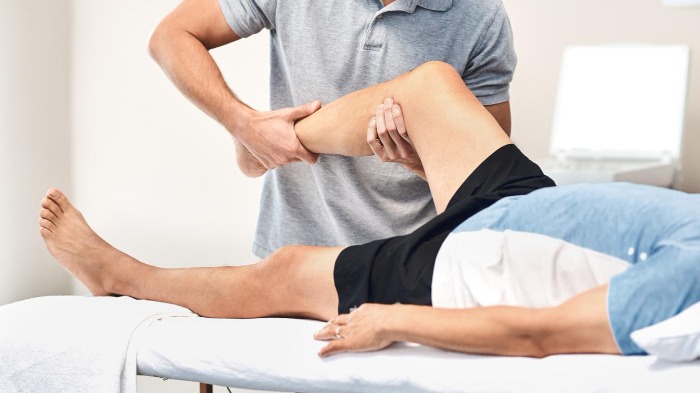
Pain that begins around the lower back or buttock and travels into the leg can feel very different from ordinary muscular back pain. When symptoms follow the pathway of an irritated or compressed nerve, sciatica may be considered as one possible explanation.
A Sciatica Specialist evaluates the complete symptom pattern rather than treating every case of leg pain as the same condition.
What Sciatica Can Feel Like
Sciatica commonly refers to symptoms associated with irritation of the sciatic nerve or its contributing nerve roots.
Patients may describe:
- Shooting leg pain
- Burning discomfort
- Tingling
- Pins-and-needles sensations
- Numbness
- Pain extending below the knee
- Weakness in certain movements
Symptoms can occur on one side and may worsen with particular positions or activities.
Sciatica Is a Symptom Pattern
The term “sciatica” does not by itself explain why nerve symptoms are occurring.
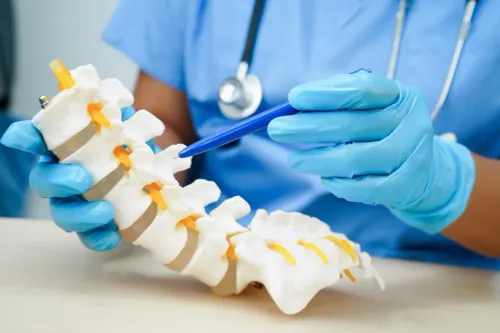
Possible causes include disc-related problems, narrowing around spinal nerves, degenerative changes, or other spinal conditions.
That distinction matters because treatment should address the underlying cause where possible.
Clinical Examination Comes First
A spine-focused evaluation usually begins with medical history and physical examination.
The doctor may assess walking, spinal movement, leg strength, sensation, reflexes, and movements that reproduce symptoms.
Patients should explain whether coughing, sitting, bending, standing, or walking changes the pain.
The presence of weakness is particularly important because it may influence how urgently further assessment is required.
Imaging Is Used Selectively
An MRI can provide useful information about discs, nerves, and other spinal structures, but imaging findings need to be interpreted alongside symptoms.
Some people have changes on scans without significant pain, while others have clinically important symptoms requiring further evaluation.
For this reason, treatment decisions should not be based on an imaging report alone.
Many Cases Can Begin With Conservative Care
Depending on the cause and severity, management may include medication, activity modification, physiotherapy, guided exercises, or other non-surgical measures.
Patients are often concerned that seeing a spine specialist means surgery will automatically be recommended.
In reality, the decision depends on neurological findings, symptom severity, underlying pathology, response to conservative treatment, and other clinical factors.
Recognize Urgent Symptoms
Sciatica accompanied by progressive weakness needs prompt assessment.
Emergency medical evaluation is particularly important when back or leg symptoms occur with loss of bladder or bowel control, numbness around the groin or saddle area, or rapidly worsening neurological problems.
These symptoms should not be managed through exercises or home remedies alone.
Daily Habits Still Matter
Long desk hours, prolonged driving, repeated lifting, and sudden increases in physical activity can influence spinal symptoms.
For patients in Pune, work patterns and commuting habits may form an important part of the clinical discussion.
A consultation at Swasthya Clinic Holistic Healing can include orthopedic and spine assessment to identify the likely source of symptoms and determine whether conservative care, imaging, rehabilitation, or further intervention is appropriate.
The practical goal of sciatica care is not simply to suppress leg pain. It is to understand why nerve symptoms are occurring, protect neurological function, and help the patient return to comfortable movement as safely as possible.
Keywords