
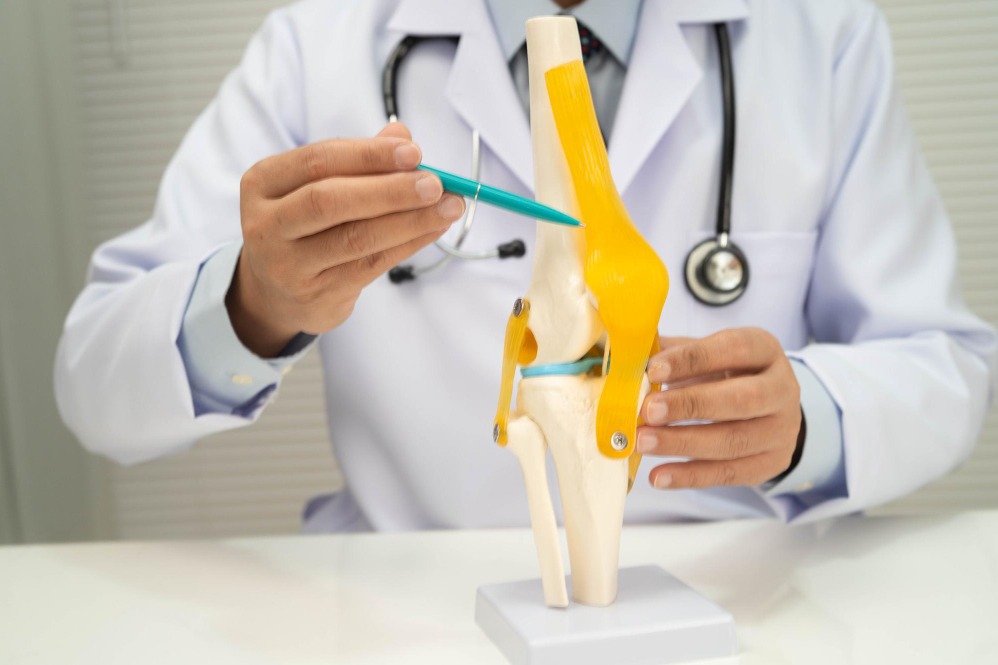
Joint stiffness after waking, recurring knee pain, difficulty climbing stairs, shoulder discomfort, or pain following an injury can easily be dismissed as temporary problems. However, symptoms that persist or repeatedly interfere with normal movement may require evaluation by an orthopedic doctor.
People often search for the Best Orthopedic Doctor when pain has already started affecting work, exercise, sleep, or everyday activities. Knowing when specialist assessment is appropriate can help patients avoid prolonged self-treatment and understand the actual cause of their symptoms.
Persistent Pain Deserves Proper Evaluation
Minor muscle soreness after unusual physical activity may improve with rest. Orthopedic problems can behave differently.
Consider seeking medical evaluation when pain:
- Continues for several days or keeps returning
- Becomes worse during walking or movement
- Disturbs sleep
- Causes visible swelling
- Restricts joint movement
- Follows a fall, accident, or sports injury
- Is associated with weakness or instability
Persistent symptoms do not always indicate a serious condition, but they should not be ignored without understanding the cause.
Orthopedic Care Covers More Than Fractures
Orthopedic medicine deals with conditions involving bones, joints, muscles, ligaments, tendons, and related structures.
An orthopedic consultation may be useful for problems such as arthritis, sports injuries, ligament damage, fractures, shoulder disorders, knee pain, hip problems, and certain spine-related complaints.
The first goal is usually diagnosis rather than immediate surgery.
Depending on the condition, treatment may involve medication, activity modification, physiotherapy, rehabilitation, injections, or surgical management when appropriate.
Diagnosis Helps Avoid Random Treatment
Two people with knee pain may have completely different underlying problems. One may have an overuse injury while another may have osteoarthritis, ligament damage, or another joint condition.
This is why relying only on pain location can be misleading.
An orthopedic assessment typically considers:
- How symptoms started
- Activities that worsen the problem
- Previous injuries
- Joint movement
- Swelling or tenderness
- Strength and stability
- Existing medical conditions
X-rays, MRI scans, blood investigations, or other tests may be recommended when clinically necessary.
Early Assessment Can Protect Mobility
Ignoring pain can lead people to unconsciously change the way they walk, sit, lift, or exercise. These compensatory movements may place additional strain on surrounding areas.
Timely diagnosis allows patients to understand what movements are safe, whether rehabilitation is needed, and when activity should temporarily be restricted.
For active adults, older people, and patients recovering from injuries, maintaining mobility is an important part of overall health.
Know the Warning Signs
Some orthopedic symptoms require prompt medical attention.
Seek timely evaluation after significant trauma or when there is severe swelling, visible deformity, inability to bear weight, sudden loss of movement, or progressive weakness.
Back or neck pain accompanied by significant numbness, limb weakness, or changes in bladder or bowel control also needs urgent medical assessment.
Choosing Care Based on the Problem
Patients in Pune and other parts of Maharashtra often have access to general physicians, physiotherapists, orthopedic specialists, and surgical services. The right starting point depends on the nature and severity of the problem.
Swasthya Clinic Holistic Healing provides orthopedic, joint, and spine consultations alongside broader medical care. For patients with persistent musculoskeletal symptoms, a structured clinical assessment can help determine the next appropriate step.
The most useful orthopedic consultation is not simply about reducing pain temporarily. It should help identify the cause, explain available treatment choices, and support safe return to everyday movement.
Keywords